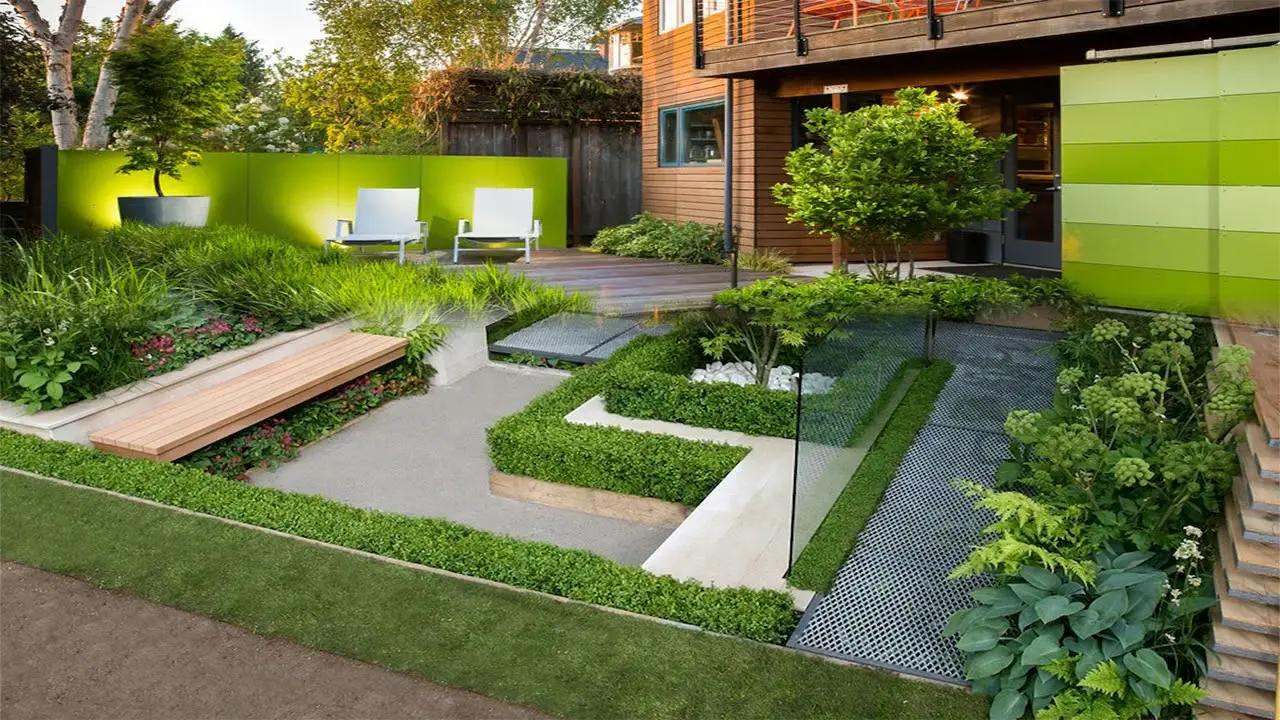
Raised garden beds in Dubai work well when you choose materials that handle heat, fill it with a soil mix that drains freely but still holds some moisture, and water it more often than you would an in-ground bed. The bed lifts the growing soil off the ground, which makes it easier to reach and easier to control. The two main challenges here are the heat and how quickly the soil dries out.
What is a raised garden bed?
A raised garden bed is a frame filled with soil that sits above the ground around it. The frame can be made from timber, stone, concrete block, metal or composite board. A planter is a smaller version of the same idea, usually a box, trough or pot that holds a few plants.
People choose raised beds for three practical reasons. You control the soil, so you do not have to work with whatever is already in the ground. The growing area sits higher, which means less bending for weeding and harvesting. The edges also mark the bed clearly, which helps you keep paths and plants separate.
Why raised beds dry out faster in Dubai
Soil in a raised bed loses water faster than soil in deep, undisturbed ground. The mix is looser, water drains through it quickly, and the sides expose more of the soil to the air. Kansas State University Extension notes that raised beds tend to dry out more quickly and need more frequent watering.
The heat makes this worse. Summer afternoons in Dubai often reach 40°C or more, especially in July and August. A bed in full sun can dry out quickly on a hot day, so a fixed watering timetable can leave the bed too dry in one week and too wet in the next.
Instead of watering on a set day, check the soil first. Push a finger or a thin stick into the bed to about 5 centimetres deep. If the soil feels dry at that depth, water it. If it still feels damp, wait a day and check again. This check works in every season, and it tells you more than a calendar does.
Choosing materials that cope with the heat
The frame decides how long the bed lasts and how it handles the sun. Each material has trade-offs, so match the choice to the size of your bed and how much upkeep you want to do. The table below is a starting point.
| Material | Strengths | Things to check |
|---|---|---|
| Timber | Easy to cut and fix, with a natural look | It weathers over time and can rot where it touches damp soil. Check that the wood is suitable for outdoor use. |
| Stone or concrete block | Heavy, stable and long-lasting | It is harder to build and hard to move later. Plan for drainage at the base. |
| Metal | Strong and thin-walled, so the inside stays roomy | The sides can warm up in the sun, so keep heat-sensitive plants away from the edges. |
| Composite or recycled plastic | Resists rot and needs little upkeep | Check the manufacturer's sun and heat rating before you buy. |
Whichever material you choose, the sides will be hottest where they face the sun. Put plants that suffer most from heat in the middle of the bed or on the shadier side, and use the edges for plants that tolerate heat better.
What soil mix should you fill a raised bed with?
The mix matters more than the frame. Plain topsoil on its own packs down under watering and drains poorly, so roots struggle to grow in it. A good mix uses three parts that each do a different job. Topsoil gives the mix body and minerals. Compost holds water and nutrients. Coarse sand opens up the mix so extra water can drain away.
Iowa State University Extension suggests equal parts topsoil, organic matter and coarse sand. It also gives a simpler option of about 70% topsoil and 30% compost.
| Mix | Ratio | When it suits |
|---|---|---|
| Equal parts | 1 part topsoil, 1 part compost, 1 part coarse sand | A general bed for vegetables and flowers |
| Topsoil and compost | About 70% topsoil, 30% compost | A simpler mix if your topsoil already drains reasonably well |
Use coarse sand, not fine sand. Fine sand mixed with clay or topsoil can set hard and work against the drainage you want. If coarse sand is hard to find, perlite is a common substitute.
Be careful with imported topsoil. Iowa State advises checking it for contaminants such as lead or pesticide residue before you use it. Ask your supplier where the soil came from and whether it has been tested. Use mature compost in the planting layer. Fresh wood chips can tie up nitrogen as they break down, and raw manure can be strong enough to damage roots.
Where to place a raised bed
Choose a spot you can reach with a hose or drip line and pass often. A bed you see every day is a bed you check every day. Sun is the next question. Most vegetables and flowering plants need good light, but a bed that takes hot afternoon sun may need shade in summer.
If your bed sits on paving or another hot surface, heat can rise from below as well as come in from the sides. Leaving a gap under the frame, or placing the bed on a raised base, can help the soil stay cooler and lets water drain away.
Shade helps too. Kansas State suggests stretching shade cloth over low hoops during the hottest part of summer. A pergola or wall that shades the bed in the afternoon can do the same job more permanently.
How to plan the layout of raised garden beds
Plan the layout before you buy materials. A good plan saves money and avoids beds that are too wide to reach across.
- Measure the space and sketch where the beds, paths and water taps will go.
- Keep each bed narrow enough that you can reach the middle from either side. This means you never have to step onto the soil and compact it.
- Leave paths wide enough for a watering can or wheelbarrow to pass. A path that is too narrow turns into a daily obstacle.
- Group plants with similar water needs in the same bed, so one watering routine works for the whole bed.
- Note which spots get morning sun, afternoon sun or shade, and place each bed to match.
The last step matters most in Dubai. A bed that gets strong afternoon sun needs more checking than one that sits in shade, so the layout should reflect where the heat is strongest.
How to build a raised bed step by step
- Mark the outline on the ground and level the site. A level bed lets water spread evenly across the soil.
- Build the frame and check that the corners are square and the top edge is level.
- Make sure water can leave the base. If the bed sits on solid paving, leave gaps or drainage holes in the base. After you water the bed, the water should soak in and drain freely, not sit on the surface or pool at one end.
- Fill the bed with the soil mix in layers, watering each layer lightly so it settles without packing down.
- Leave a few centimetres of space below the top edge so water does not run over the sides.
- Plant and water the bed in well, then check the soil depth again after a day.
How to water raised garden beds in Dubai
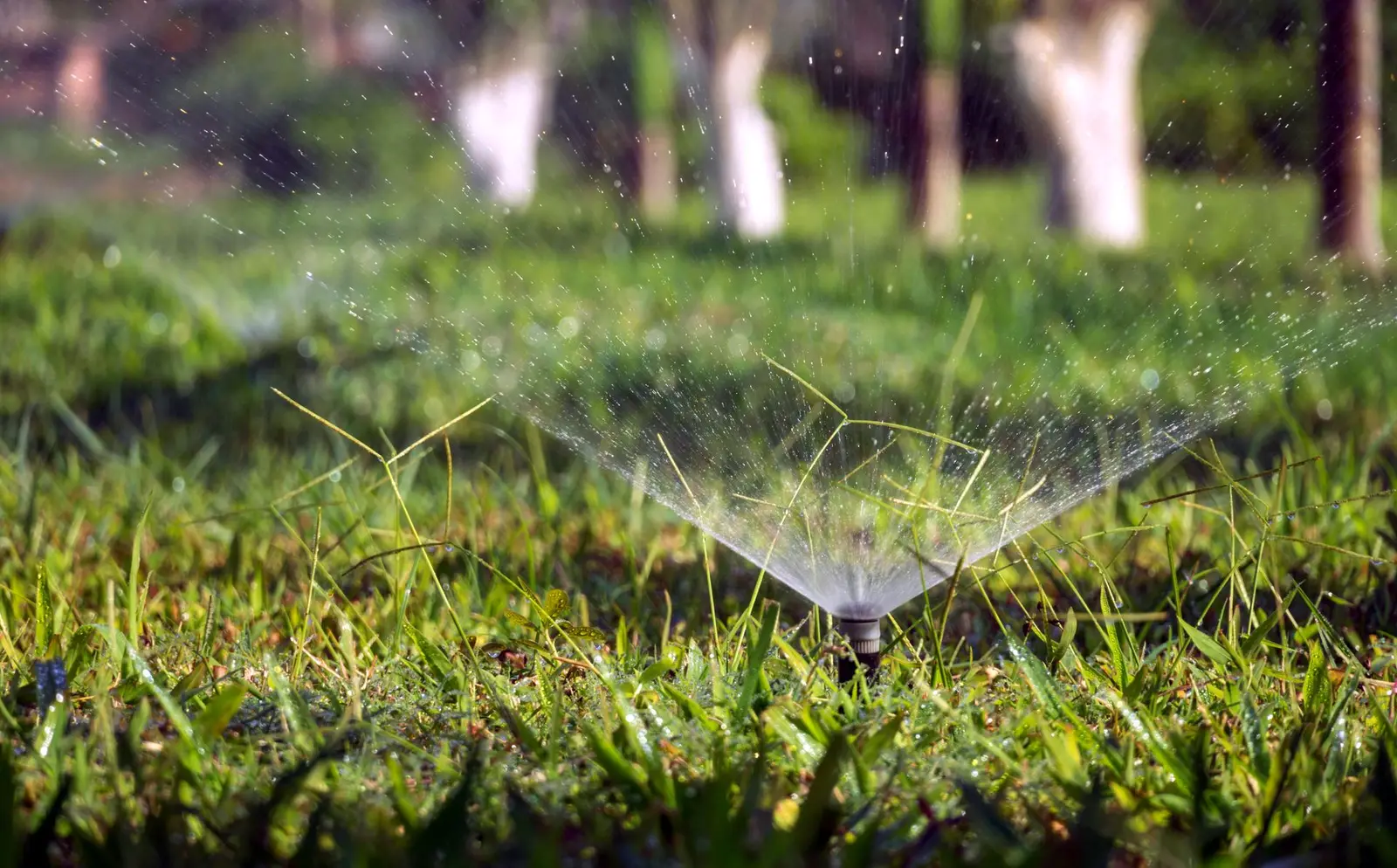
Drip irrigation suits raised beds well because it delivers water slowly to the root zone and loses less to evaporation. Our garden irrigation guide for Dubai explains how to set up drip lines and timers.
Mulch helps keep the soil moist and cooler. Kansas State notes that mulch helps regulate soil temperature and conserve moisture. Spread a layer of organic mulch over the soil, and keep it a short distance back from the stems of your plants so it does not rot them.
Water early in the day, when less of the water evaporates before it reaches the roots. Then check the soil again the next day, as described above.
Which plants suit raised garden beds?
Raised beds suit any plant that needs loose soil and good drainage, so the choice of plants matters more than the bed itself. Start with plants that are known to cope with Dubai's summers, and group them by water needs. Our guide to outdoor plants for Dubai covers which plants handle heat and which need shade. For vegetables, the vegetable garden guide covers planting timing and crop choice.
Common problems in raised beds and how to fix them
Plants wilt in the afternoon
Check the soil at root depth first. If it is dry, the bed needs more water or more frequent watering. If it is wet but the plants still droop, the drainage may be poor or the roots may be stuck in compacted soil. Look at the base and the surface before you water again.
Water runs off the surface or pools
Water that runs off the top usually means the mix has dried out and become hard to wet. Loosen the top few centimetres, add a layer of compost and water slowly. Water that pools in the bed points to poor drainage at the base or a mix with too much fine material, so check the base first.
The soil level drops over time
Soil shrinks as the compost breaks down and settles. Top it up with the same mix once or twice a year, and avoid walking on the bed, because that packs the soil down and slows drainage.
When to get help with a raised bed or garden project
A single bed is a simple project. A bigger garden with several beds, paths, drip irrigation and shade is easier to plan as one job. NAM Landscaping's garden landscaping team handles design and build under one contract, starting with a free site visit and a written, itemised quote before any work begins. You can read more on the garden landscaping and design page. For ongoing care such as watering checks and planting, the garden maintenance service covers regular visits.
Before you build any permanent structure, confirm the rules for your home. Villa communities and developers can have their own requirements, so check with your community developer or with Dubai Municipality before you start.