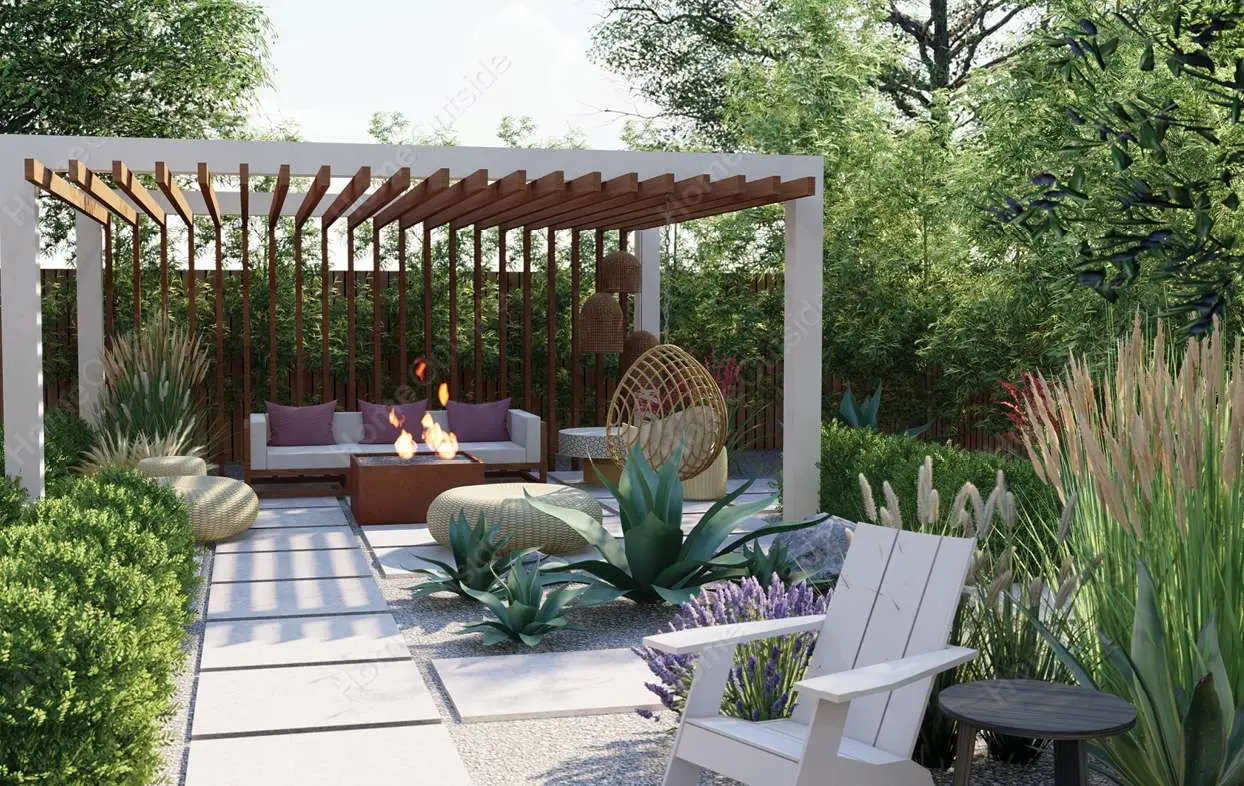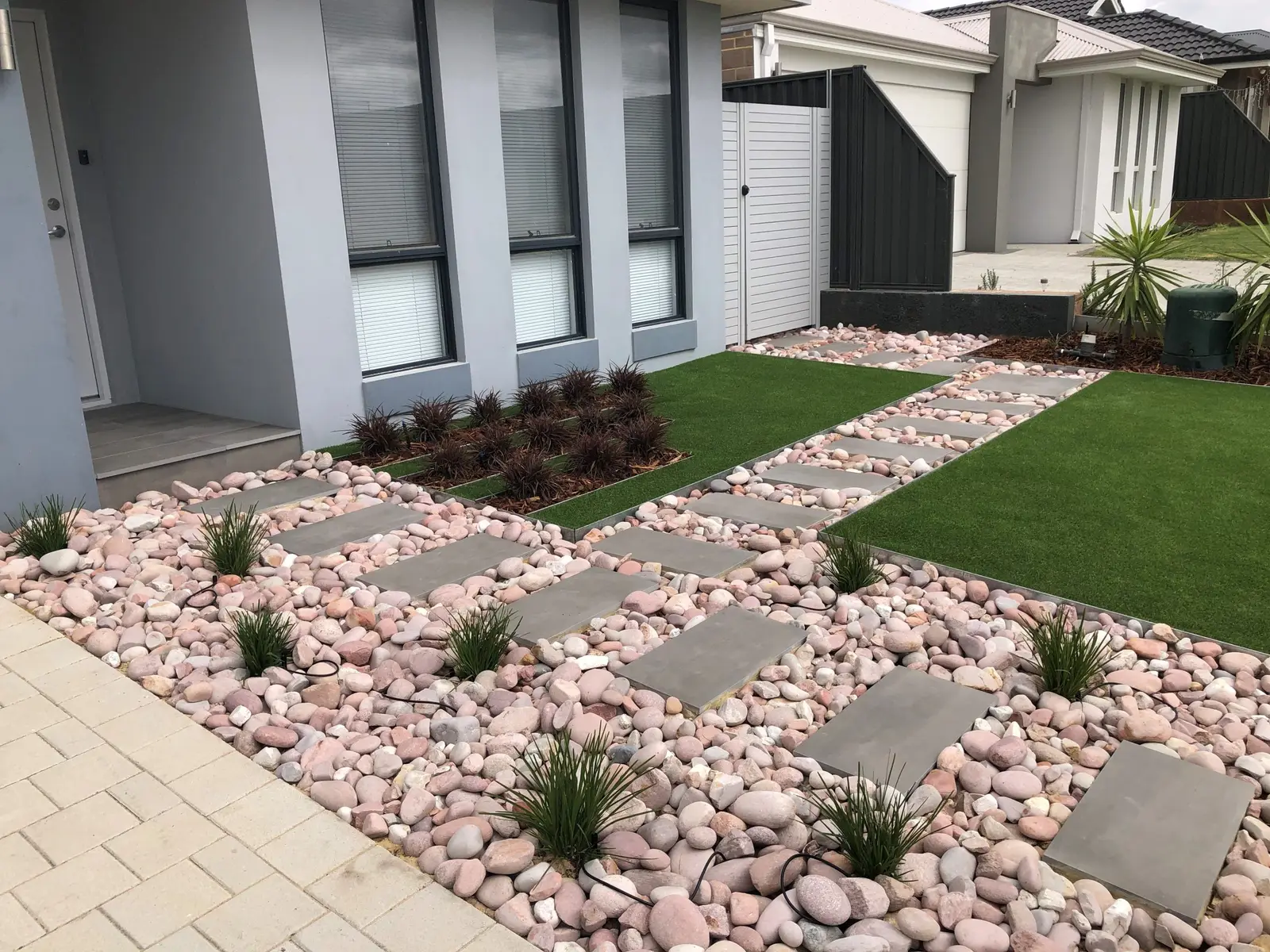
The best patio design ideas for Dubai homes start with the heat. A good patio stays comfortable in the sun, drains well and feels safe underfoot. Most patio problems come from one of three things: a dark surface in full sun, too little shade over the seating, or a finish that becomes slippery when wet. Choose the surface, colour, shade and layout with those points in mind, and the patio will be far more pleasant to use.
This guide covers the main materials, how colour changes the heat, layout ideas for villas and smaller homes, and the steps that help a patio last. If you are planning a wider outdoor upgrade, our hardscaping and outdoor upgrade service covers paving, decking and outdoor seating areas.
What patio design ideas work in Dubai's climate?
Start with the climate, because it limits your choices more than style does. July and August are the hottest months in Dubai, with average high temperatures exceeding 43 °C, according to the climate summary for Dubai. Figures from the National Centre of Meteorology, reported by Gulf News, put average July highs across the UAE between 39.7 °C and 43.8 °C.
A patio does not feel only the air temperature. A paved surface in full sun can become much hotter than the air around it, which matters for bare feet, furniture cushions and the people sitting outside in the late afternoon. For this reason, the surface and the shade should be planned together rather than separately.
Humidity is the other factor. Coastal areas can feel sticky in summer, so you should allow for airflow around the seating. An open side or a louvred roof lets warm air escape, while a fully enclosed space can trap heat.
What materials work best for a Dubai patio?
No single material suits every patio. The right choice depends on how the area will be used, how much upkeep you want, and how much heat the surface will take. The table below compares the materials most often used for patios in Dubai.
| Material | Heat in full sun | Upkeep | Best used for |
|---|---|---|---|
| Outdoor porcelain pavers | Depends on colour. Light tones stay much cooler than dark ones. | Low. Rinse and sweep, with occasional cleaning of grout lines. | Dining areas, lounging areas and pool surrounds with the right finish |
| Natural stone | Dark stone heats up like dark porcelain. Lighter stone is cooler. | Moderate. Porous stone needs sealing to resist stains. | Traditional or rustic patios with a natural look |
| Timber decking | Often warm to the touch in strong sun. | High. Needs regular cleaning and sealing or oiling. | Raised decks and areas that feel warm and natural |
| Composite decking | Varies by product. Check the supplier's data for the board colour. | Low to moderate. | Decks where you want less maintenance than timber |
| Gravel or pebbles | Varies by stone colour and depth. | Moderate. Stones can scatter and need topping up. | Edges, side paths and low-traffic areas |
Porcelain pavers and outdoor tiles
Outdoor porcelain is a popular choice for Dubai patios. It is dense and absorbs very little water, so it resists staining from spills and cleans easily. It also comes in a wide range of colours and textures, which makes it easy to match a villa's style.
Thickness matters as much as the look. Pavers that carry vehicles or heavy planters need a thicker, load-rated product, because thinner tiles can crack under concentrated weight. Confirm the thickness and load rating with the supplier before you order.
Natural stone
Natural stone can look rich and timeless, but its colour and texture vary from one slab to the next. Stone is also more porous than porcelain. If it is not sealed, spills can soak in and leave marks, so ask your installer how the stone will be protected.
Timber and composite decking
Timber decking feels natural and warm, but it needs regular care in strong sun. It can dry out, fade and warp if it is not maintained. Composite decking usually needs less upkeep, though you should still check that the boards are rated for outdoor use and ask how the colour performs in sunlight.
Why does patio colour change how hot the surface gets?
A surface absorbs some of the sunlight that hits it and reflects the rest. A dark surface absorbs more light and reflects less, so it stores more heat and feels hotter underfoot. A light surface reflects more light and stays cooler. A porcelain manufacturer, Rosagres, explains the same principle in its guide to outdoor flooring in the sun.
The useful rule for a Dubai patio is simple: choose a light colour unless you have a clear reason not to. Sand, beige, taupe and light grey are popular choices for this reason.
Colour is not the only factor. A dark slate or deep grey stone can become very warm in strong sun, just as a dark porcelain tile can. Test data differs from product to product, so ask the supplier for the solar reflectance index (SRI) of the exact tile. SRI runs from 0 for a black surface to 100 for a white one, and a higher value means a cooler surface. Then test a sample on the actual site in the middle of the day.
Which patio design ideas suit Dubai homes?
The best layout depends on how you plan to use the space. A patio that suits a family dinner is different from one used for quiet evenings or swimming. Decide on the main use first, then fit the other features around it.
A dining patio near the kitchen
Place a dining area close to the kitchen door so you do not carry plates across the garden in the heat. A table with a clear route from the house will also be used far more often. Allow enough space to pull out chairs without them sitting on the edge of the paving.
A lounging patio on the shaded side
If your patio faces west, it gets strong sun in the afternoon and early evening. A lounging area on that side needs a shade structure before you buy the furniture. Plan the seating so it sits under the shade for the hours you use it most.
A patio beside a pool
Pool surrounds need a slip-resistant finish and good drainage. Water should run back toward the drain or lawn, not pool on the paving. Lighter surfaces also keep the area more comfortable for bare feet. The pool area is a place where the surface choice matters most, so review the finish with the installer before work starts.
A small patio
A small patio looks more open when the colour is light and the joints are few. Large tiles often create fewer lines than small pieces, so the space feels calmer. Keep the furniture simple and choose pieces with slim legs, which take up less visual space.
The same ideas also work for a balcony. Balcony tiles need the same heat and slip considerations, and the drainage needs more care because water has fewer places to go.
How do you add shade to a patio?
Shade is the feature that makes most Dubai patios usable for much of the year. Common options include a pergola with louvres, a shade sail, a fabric canopy and a fixed roof. Each has different costs, levels of shade and maintenance needs. Our pergola and shade structure service covers aluminium, timber, louvred and canopy designs.
Put the shade over the seating, not just over the paving. A large shaded floor with the chairs in full sun does not help much. Measure the area where people will sit, and check the sun path across the day before you choose the size and position of the structure.
Before you build a roof or a large structure, check the rules with your villa community or developer. Many communities have their own approval process, and Dubai Municipality may also need to be consulted. Do not assume that a structure is allowed without checking first.
For more ideas on shade structures, read our guide on pergola and shade ideas for Dubai.
How can you light and warm up a patio?
Lighting does two jobs on a patio. It makes the area safe to walk across after dark, and it creates a comfortable mood for evenings outside. Low lights along steps and edges help with safety. Soft wall lights or string lights add warmth to seating areas.
Outdoor lights need protection from dust and heat, so check the IP rating on each fitting. The IP rating tells you how well a light resists dust and water. Mains and low-voltage systems each have their own benefits, and your installer can advise which one suits the patio. For a wider plan, see our guide to garden lighting ideas.
A fire pit can make a patio usable on cooler evenings. Before you add one, check the manufacturer's clearance distances to walls, plants and overhead structures. Keep the fire pit away from fabric canopies, and confirm any local rules with your community before you install it.
If you plan a cooking area as well, read our article on outdoor kitchens in Dubai before you fix the position of the grill and the power points.
How do you keep a patio well drained and safe underfoot?
Drainage keeps a patio from holding water after rain or cleaning. The surface should have a small fall, so water runs away from the house and off the paving. Installers usually build this fall into the base, so ask how the drainage will be formed before work starts.
Slip resistance is the second safety point. Many suppliers rate paving on the R-rating scale, where a higher number means better grip when wet. Ratings are tested on clean surfaces, so wet leaves, algae or dust can still make a surface slippery. Ask the supplier for the test certificate of the exact product and finish.
Polished finishes look smart indoors, but they are a poor choice for outdoor areas that get wet. A textured or grip finish is safer around the pool and near the barbecue.
Expansion joints also matter. Paving expands and contracts with heat, and joints give it room to move. Ask your installer for a joint layout that suits the product and the size of the area, so cracks do not form across the paving over time.
How do you plan a patio step by step?
A clear plan prevents most of the costly changes that happen after paving starts. Follow these steps in order, because each one affects the next.
- Decide how the patio will be used. Choose dining, lounging, play or pool access as the main purpose. This sets the size and the layout.
- Check the sun across the day. Note which edges get afternoon sun. This tells you where shade is needed most.
- Choose the surface from samples. Look at colour, slip rating and thickness in daylight, not only in photos. Photos often make colour and texture look different from the real product.
- Plan the shade and lighting before paving. Posts, cables and conduit are much easier to place before the surface is laid.
- Confirm drainage and community rules. Make sure water will run away from the house, and check approvals for any roof or structure.
- Get a written quote after a site visit. A site visit and an itemised quote let you compare the scope, the materials and the preparation work before you commit.
What does a patio cost in Dubai?
NAM Landscaping lists hardscaping and paving from AED 75 per m², supplied and laid. This is an indicative starting price, not a fixed quote. The final cost depends on the material you choose, the size of the area, the base preparation, the drainage work and the access to the site. These details are confirmed in writing after a free site visit.
When you compare quotes, check that each one lists the same materials, thickness, base preparation and drainage. A lower price can mean thinner tiles or less preparation, which can show up later as cracks or puddles.
What mistakes should you avoid with a patio?
- A dark surface in full sun. It can become uncomfortable to walk on barefoot, and it stores heat late into the evening.
- Shade over the paving only. The seating needs the shade, not just the floor under it.
- A polished finish near water. Smooth surfaces become slippery when wet.
- Thin tiles under heavy furniture. Check the thickness for the loads you plan to place on the patio.
- No fall for water. Standing water can stain the surface and damage the base over time.
- Planning the lights and power after paving. Cables and fittings are harder to place once the surface is finished.
A patio that has the right colour, shade and drainage will be used for far more of the year. Start with how you want to use it, and the other choices become much easier to make.